
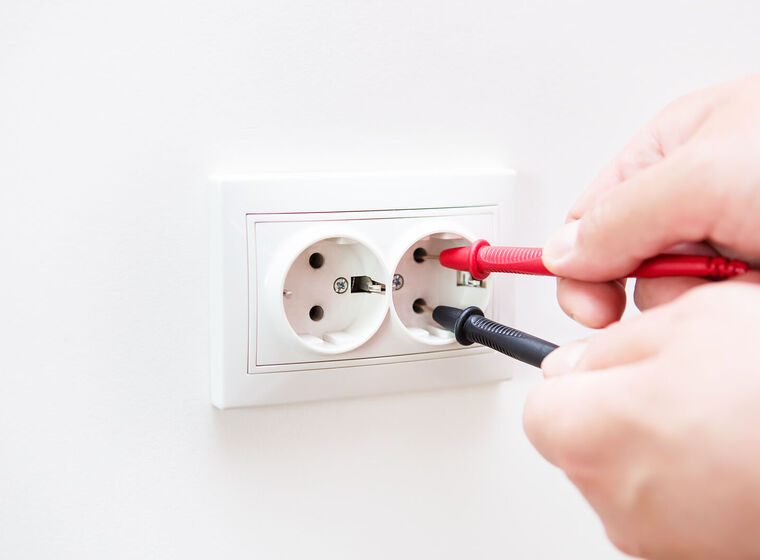
Electrical Certificate of Compliance (COC) in Gauteng
Selling, letting or signing off new electrical work? Our registered Installation Electricians inspect, repair and certify installations across Gauteng — usually within a day or two of your call.
The Document Standing Between You and Transfer
Few sellers think about the electrics until the conveyancer asks for paperwork. An electrical Certificate of Compliance is the legal document confirming that a property's installation meets SANS 10142-1, and without a valid one your sale simply cannot register at the Deeds Office.
Landlords carry the same responsibility. The law treats the lessor as the person accountable for the safety of the installation a tenant uses, so a current certificate protects you legally and at claim stage with your insurer.
New Power Holdings holds Department of Employment and Labour registration to test and certify installations, and we have issued certificates across every area we serve in Gauteng for more than fifteen years. One team handles the inspection, any repairs and the final paperwork.
When the Law Requires an Electrical Certificate of Compliance
The Electrical Installation Regulations of 2009, issued under the Occupational Health and Safety Act, set out exactly when a certificate must be produced. In practice, these are the situations that trigger one:
- Selling a property. Transfer cannot be registered without a valid certificate, and your conveyancer will ask for it early in the process.
- A brand-new installation. Every new electrical installation must be tested and certified before it may lawfully be put into use.
- Additions and alterations. Extra circuits, a new geyser, a flatlet or a kitchen rewire all need a supplementary certificate covering the new work.
- Change of ownership. An existing certificate is only accepted at transfer if it is less than two years old and nothing has been altered since it was issued.
- Insurance requirements. Insurers regularly request proof of compliance before settling fire or surge claims; no certificate can mean a repudiated claim.
- Letting a property. As lessor you must be able to produce a valid certificate for the installation your tenants rely on every day.
If any of those apply to you, the sensible move is to book the inspection early. Faults found two weeks before lodgement are an inconvenience; faults found two days before are a crisis.
How We Inspect and Certify
The process is deliberately simple, and we keep you informed at every stage:
Book the Inspection
Call, WhatsApp or use our online form. We schedule a time that suits you, often within 24 hours.
Test & Inspect
A registered Installation Electrician tests the DB board, earthing, polarity, insulation resistance and earth leakage to SANS 10142-1.
Report on Findings
You get a plain-language summary. A pass moves straight to paperwork; any faults come with an itemised repair quote.
Repair Where Needed
On approval, the same team carries out the repairs — no second contractor, no finger-pointing.
Certificate Issued
Your COC and test report are delivered in PDF and hard copy, ready for the conveyancer, agent or insurer.
What the Inspection Actually Covers
A certificate is only as good as the testing behind it. These are the core checks our electricians perform on every COC inspection:
| What we check | Why it matters |
|---|---|
| DB board & circuit breakers | Correctly sized, labelled breakers prevent overheating and make any fault quick and safe to isolate. |
| Earthing & bonding | A continuous earth path carries a fault safely to ground instead of through a person touching a tap or appliance. |
| Sockets & switches | Outlets are checked for damage, correct polarity and secure connections — loose terminals are a leading cause of house fires. |
| Geyser isolator | The geyser needs its own isolator and bonding so that anyone working on it can do so safely. |
| Wiring condition | Perished insulation, illegal joints and undersized cable are the most common hidden risks in older Gauteng homes. |
| Earth leakage test | The 30mA earth leakage unit must trip within strict limits. It is the device that saves lives, so we test it with instruments, not just the button. |
Failed the Inspection? Here's What Happens Next
Roughly half the installations we test need at least minor remedial work before they can be certified, so a failed inspection is normal — not a disaster. You receive a written list of defects with a fixed, itemised quote, and nothing happens until you approve it.
Because we repair and certify under one roof, there's no gap between the electrician who found the problem and the one who fixes it. Persistent tripping gets proper electrical fault finding rather than guesswork, and where the board itself is obsolete or unsafe we'll quote a DB board upgrade as a clearly priced option, never a surprise.
Under pressure to lodge? Call 0861 995 088 or request a free quote and tell us your transfer date — we prioritise time-sensitive certificates every week.
COC Questions, Answered
Only a registered Installation Electrician, registered with the Department of Employment and Labour, may test an installation and sign a Certificate of Compliance. Ask to see registration details before any inspection. A certificate signed by an unregistered person has no legal standing at transfer.
For a property sale, the certificate is accepted if it is less than two years old and no electrical work has been done since it was issued. Any addition or alteration after that date needs a new certificate covering the new work.
It depends on the size of the installation: a townhouse with one DB board takes far less time to test than a large stand with outbuildings, a pool and a flatlet. We quote a fixed inspection fee upfront, and any repairs are quoted separately before we touch a thing.
Most homes take one to two hours to inspect and test. If the installation passes, we can usually issue your certificate the same day. Where repairs are needed, the timeline depends on the scope of the work.
Nothing dramatic. You receive a clear list of the faults found, an itemised quote to fix them, and once you approve we complete the repairs, retest and issue the certificate. One contractor stays accountable from start to finish.
A valid certificate is compulsory for transfer when you sell. As a landlord, the regulations also expect you to hold a valid COC for the installation your tenants use, and insurers and rental agents increasingly insist on seeing one.
The test report records the actual readings and checks performed on the installation. The Certificate of Compliance is the legal document issued on the strength of that report, and a valid COC always has its test report attached.
Older homes pass every week. Age is not the issue; condition is. Wiring that has been maintained, properly earthed and protected by a working earth leakage device can be certified no matter when the house was built.

Selling, Letting or Just Not Sure? Get Certified.
Book your inspection with a registered issuer and have the certificate your conveyancer, agent or insurer is waiting for — without the runaround.